

















Product · Gloziia / Salons & wellness

Gloziia, a salon platform for the whole day

A client app for booking and a partner app for schedules, walk-ins, staff, and sales — built for salons, spas, and studios.

The challenge

Salons juggle appointments, walk-ins, staff shifts, and follow-up across separate tools. The gaps show up as double-booked chairs and a noisy front desk.

Our approach

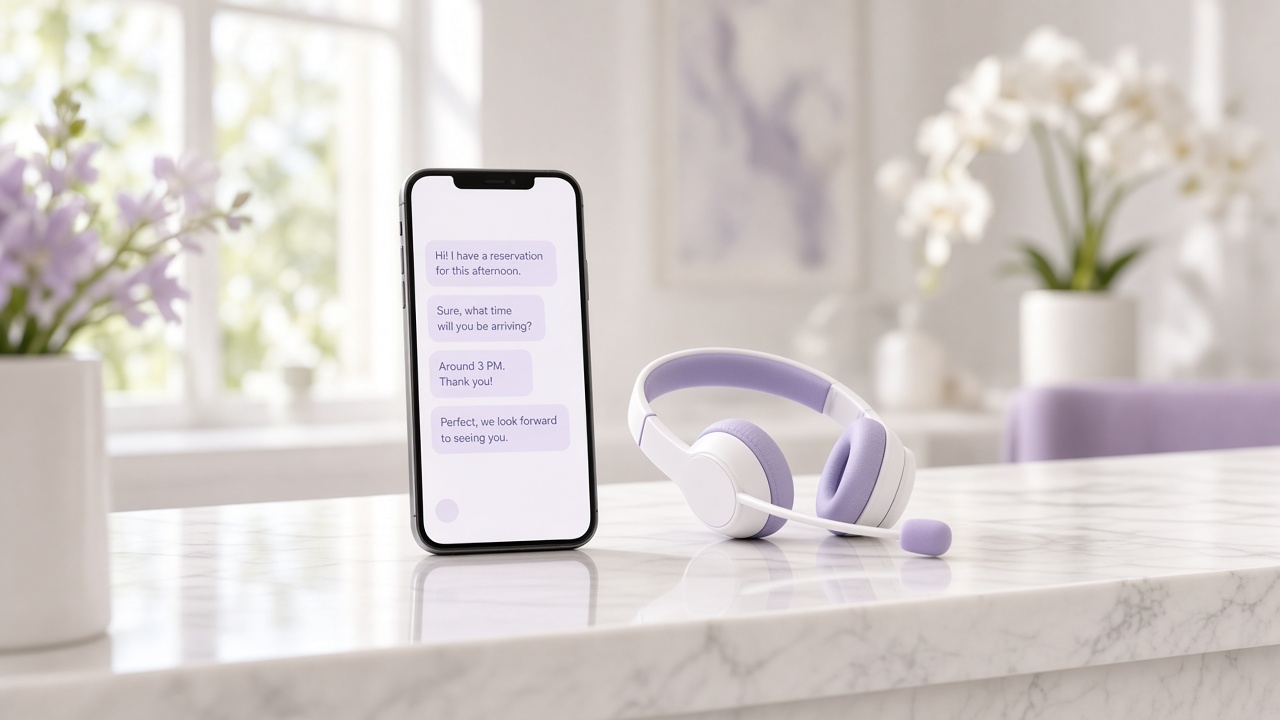
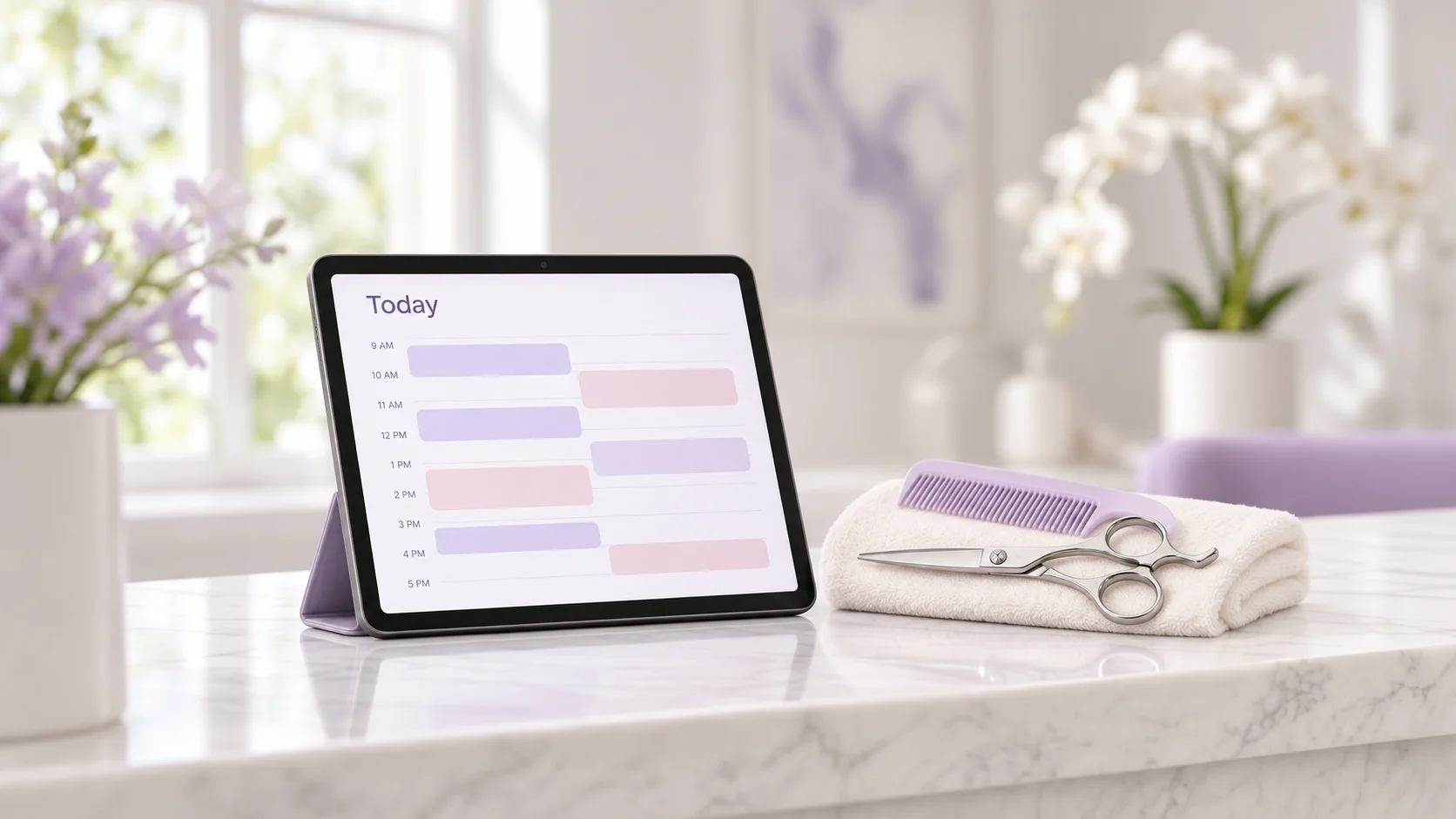
Gloziia pairs a customer booking app with a partner app for owners and staff. Bookings sync to the calendar, walk-ins can be captured on the spot, and the day stays visible without a second system.

The intended outcome

Owners get one operating picture for the schedule, the team, and the visit. The product is built for hair salons, spas, nail and lash studios, and barbershops.

A closer look

A salon day goes better when the booking, the chair, and the team share one picture.

How the thinking develops

Explore the thinking behind the work.

01

Follow the real journey

A booking is only one moment in a longer relationship. The experience should support preparation, service delivery, and the next visit with equal care.

For a service business, the first visit begins before someone walks through the door. Booking preferences, confirmation, preparation notes, and follow-up all shape the experience. Designing these moments as one journey helps the team avoid asking for the same details repeatedly and gives customers a more coherent path.

02

Design for a busy day

The interface should surface the current schedule, important customer context, and outstanding tasks without forcing staff into deep navigation.

A busy team needs the next relevant detail at a glance: who is arriving, what service is planned, and whether anything needs attention. A daily view should support quick edits and clear handoffs without exposing an overwhelming dashboard. The product should work well on the devices staff already use during the day.

03

Build for change

Service menus, staff availability, and business rules change. A flexible data model makes those changes manageable as the business grows.

Catalogs, schedules, staff roles, and customer preferences change as a business evolves. Keeping those concepts separate in the data model makes the product easier to adapt. It also creates a better base for future reporting and integrations without promising a particular commercial result before the product is measured.

What this suggests

Key ideas

01

Connected booking flow

02

Customer context in one place

03

Flexible operating model

Explore another study

Designing an AI workflow people can trust

All case studies
Practice study 03Applied AI

Designing an AI workflow people can trust

A practical blueprint for adding useful intelligence to an existing process while keeping decisions visible and accountable.

Explore study