

















Product · Convocust / Customer AI

Convocust, an AI assistant for calls and chat

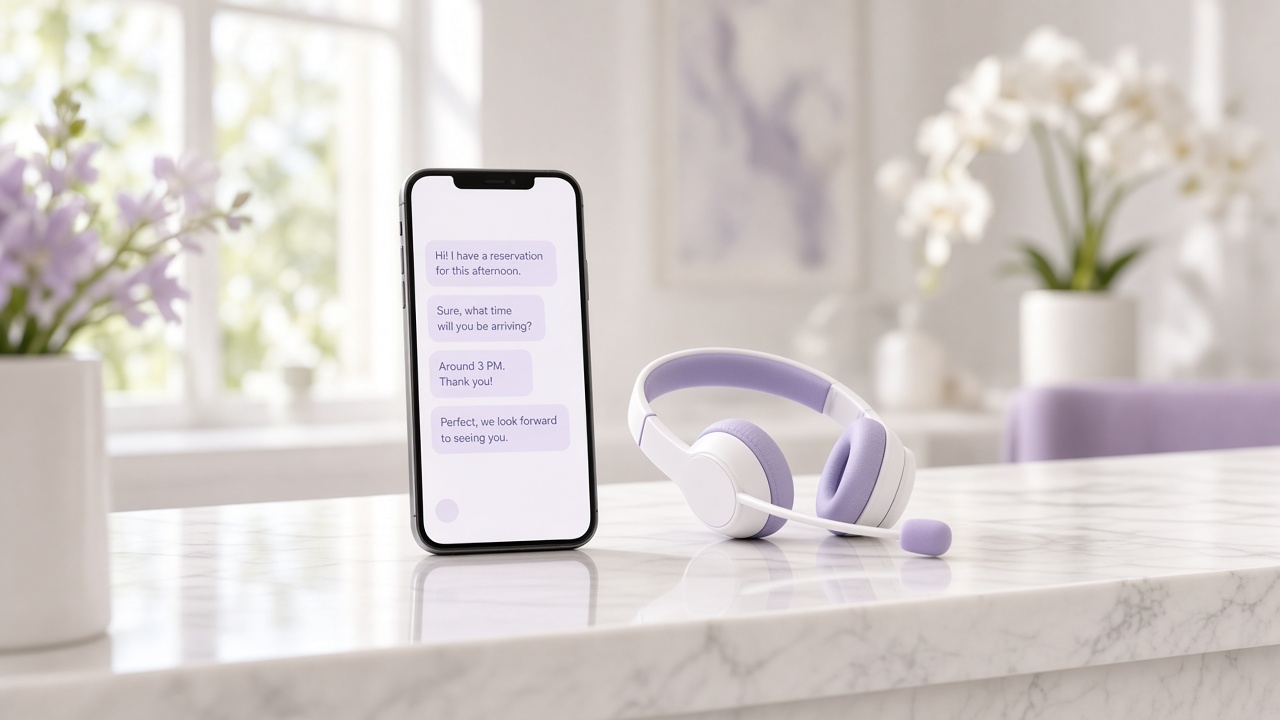
Convocust answers website chats and phone calls from a business’s own website and documents, then hands the conversation to a person when it should.

The challenge

Calls and chats arrive when the team is with a customer, on a job, or closed for the night. The same questions get asked all day, and the ones nobody catches become lost bookings.

Our approach

Convocust is a live assistant for customer calls and website chat, with a second mode for staff questions. It learns from a website or uploaded documents, and keeps a person in the loop for anything it should not finish alone.

The intended outcome

A business gets a way to answer routine calls and chats when the team is busy, and a clear handoff when a person needs to take over.

A closer look

Answer the call. Keep a person in the loop when the conversation needs one.

How the thinking develops

Explore the thinking behind the work.

01

Start with the conversation

A useful support interface keeps the customer’s question, previous context, and the next action visible together. That reduces the effort of switching between tools.

An agent should be able to see the latest message, account history, relevant orders or requests, and what has already been tried. That information can be assembled from existing systems through a narrow integration layer rather than copied into another isolated database. The interface should make missing context visible instead of inventing certainty.

02

Keep people in control

Suggested responses should be easy to review and edit. Sensitive or unusual requests need an obvious route to a human teammate.

Human review is a product feature, not a fallback hidden in settings. A clear escalation route lets an agent request help, add a short reason, and preserve the conversation for the next person. Response guidance can reduce repetitive writing, but the final message should remain easy to inspect, correct, and personalize.

03

Make the system observable

Conversation categories, handoff reasons, and response quality should be visible to operators so the product can improve through evidence.

Operational visibility starts with a small set of useful questions: which topics create repeat contacts, where do handoffs stall, and what kinds of suggestions are often edited? Those signals can guide improvements to content, workflow, and the product itself. They are more useful than a single headline automation rate.

What this suggests

Key ideas

01

Unified conversation context

02

Human review and escalation

03

Clear operational signals

Explore another study

Gloziia, a salon platform for the whole day

All case studies
Product · GloziiaSalons & wellness

Gloziia, a salon platform for the whole day

A client app for booking and a partner app for schedules, walk-ins, staff, and sales — built for salons, spas, and studios.

Explore study